The best way to keep your business protected from cloud hackers is to secure user identities, enable multi-factor authentication, encrypt sensitive data, keep systems updated, and monitor your cloud environment for suspicious activity. These measures significantly reduce the risk of a successful attack.
Did you know? According to IBM, large supply‑chain attacks have risen almost 4 × in the past five years, as threat actors focus on open‑source ecosystems and cloud infrastructure
That number alone should worry every business owner. If you store customer records, financial data, or internal files online, you need a real plan, not a vague policy nobody reads. This guide covers how to protect your cloud data from hackers with steps you can put to use today. At Singular Security, we help businesses close these gaps before attackers ever find them.
Why Cloud Storage Has Become a Prime Target
Cloud platforms hold more sensitive data than they used to, and that’s exactly what makes them attractive to hackers.
Many cloud breaches result from weak identity and access controls. Stolen credentials and reused passwords make it easy for attackers to gain unauthorized access without exploiting complex vulnerabilities. Effective cloud security services help strengthen identity protection, detect suspicious login activity, and reduce the risk of unauthorized access through phishing or compromised credentials.
Small and mid-sized businesses face the same risks as large enterprises, whether they realize it or not. Many owners assume hackers only bother with big companies. That assumption is flat-out wrong. Automated attack tools scan for any weak entry point, and they don’t care how big your company is.
Steps for Securing Cloud Data the Right Way
Strong cloud security starts with a few core habits, not an expensive overhaul. You don’t need a massive budget to get this right.
Use Multi-Factor Authentication Everywhere
Passwords alone just aren’t enough anymore. Add a second verification step to every account you have. This one move blocks most credential-based attacks before they even start.
Encrypt Data at Rest and in Transit
Encryption scrambles your data, so a stolen file is basically useless to whoever took it. Apply it to files sitting in the cloud and to files moving between systems.
Limit Access With the Least Privilege Rule
Give employees access only to what their job actually requires, nothing more. Fewer open doors mean fewer chances for hackers to slip through unnoticed.
Patch and Update Cloud Systems Regularly
Outdated software carries known vulnerabilities that hackers actively hunt for. They scan for these gaps constantly. Set a routine schedule for updates across every platform you use.
Monitor for Unusual Activity
Watch login patterns, file downloads, and account changes closely. Early detection cuts damage and shortens recovery time by a wide margin.
Related Blog:-
How to Secure Cloud Data Across Your Entire Business
Understanding how to secure cloud data goes well beyond enabling a single tool or changing one setting. It takes a layered approach across people, processes, and platforms working together.
Here’s a quick comparison of common security layers and what each one actually protects:
| Security Layer | What It Protects | Why It Matters |
| Multi-Factor Authentication | User logins | Stops stolen password attacks |
| Encryption | Stored and moving data | Makes stolen files useless |
| Access Controls | Internal systems | Limits insider risk |
| Continuous Monitoring | Entire network | Flags threats early |
| Backup and Recovery | Business continuity | Speeds up recovery after an incident |
Businesses that combine these layers see fewer successful attacks, full stop. No single tool covers every risk on its own, no matter what a vendor promises.
Common Mistakes That Weaken Cloud Protection
Many businesses make the same errors when setting up their cloud systems. Avoid these mistakes, and you close off the easiest entry points.
- Leaving storage buckets open to the public
- Reusing passwords across multiple accounts
- Skipping regular software updates
- Ignoring employee security training
- Failing to back up data outside the primary cloud
Each mistake sounds small on its own. Stack them together, though, and they create serious exposure for your entire business.
How to Protect Cloud Storage From Hackers Long Term
Protect cloud storage from hackers by treating security as an ongoing process, not a box you check once. Threats change constantly, so your defenses have to change right along with them.
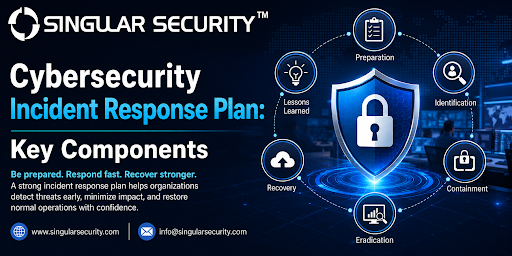
Build a Response Plan Before You Need One
A written incident response plan saves critical time the moment an attack hits. Know who acts first, and what steps come right after.
Train Employees on Phishing Recognition
Most breaches start with one click on a fake email, nothing more dramatic than that. Regular training cuts this risk sharply, and it doesn’t take much time.
Partner With Experts Who Monitor Threats Daily
Internal teams often just don’t have time to track every new threat that pops up. Working with dedicated cloud security services adds a layer of expertise most businesses can’t build on their own.
Pro Tip
Businesses that run quarterly access reviews catch far more risks than those that review access once a year, or never at all. Set a recurring calendar reminder and actually stick to it. This one habit prevents old, forgotten accounts from turning into backdoors nobody notices.
Companies that pair solid internal habits with managed cybersecurity services tend to recover faster when something does go wrong. Outside experts spot patterns internal teams often miss simply because they’re too close to the day-to-day.
Secure Your Business Against Cloud Threats!
Hackers move fast, and outdated defenses just can’t keep up anymore. Understanding how to protect your cloud data from hackers starts with combining the right security tools, employee training, and expert support into one strong defense. Don’t wait for a breach to reveal the gaps in your security.
Singular Security helps businesses build cloud protection that stands up to real-world attacks. Visit our website to talk with a team that identifies vulnerabilities and strengthens your defenses before hackers ever get the chance.
Also Read This Blog:-
Frequently Asked Questions
Q1. What is the main reason for cloud data breaches?
The main reason for most cloud data breaches is either using the same passwords on multiple accounts or having passwords that are not secure enough. Hackers find weak passwords and a lack of multifactor authentication as points of attack.
Q2. How frequently should companies refresh their cloud security configurations?
Business managers will find that revising access controls and patching software once every three months is good practice. The reason is simple: new types of threats appear every day, meaning that old or static security settings become ineffective very fast.
Q3. Can small businesses really afford to have strong cloud security?
Yes. Multi-factor authentication and encryption are essential steps that, although core, are still relatively affordable and have been proven to effectively protect against most attacks.
Q4. What is the difference between cloud security and cybersecurity?
Cloud security is a branch of cybersecurity that is, in particular, concerned with the protection of online data and systems. Cybersecurity includes the protection of all the digital assets of an organization, including networks and devices.
Q5. At what speed can a company respond to a cloud-based cyber-attack event?
Instantly. Having an outline of how your company will respond can really reduce reaction time in case of data breaches, so limiting damage and facilitating quicker recovery.