One wrong move after a breach costs millions. Here’s exactly how to respond to a cyber attack and protect what you’ve built.
Did you know the average data breach now costs businesses $4.44 million worldwide, according to IBM’s Cost of a Data Breach Report? That number keeps business owners up at night. Every company needs a clear plan for how to respond to a cyber attack before disaster strikes, not after.
Panic makes bad situations worse. Fast, structured action limits damage and speeds recovery. Security experts at Singular Security recommend building a response plan with professional incident response services in place before you ever need them. Waiting until an attack hits is already too late.
Key Takeaways
- Act fast. The first hour after a breach shapes your total damage.
- Isolate affected systems immediately, but never destroy evidence.
- A tested incident response plan saves time, money, and reputation.
- Cloud security services close gaps attackers love to exploit.
- Recovery means patching, resetting credentials, and rebuilding customer trust.
Spot the Warning Signs of an Attack Early
Cyber attacks rarely announce themselves loudly. Slow systems, strange login alerts, or locked files are common red flags. Employees reporting odd emails matter too. Catching these signs early gives your team precious time to act.
Common Signs Your Business Is Under Attack
- Unusual account logins from unknown locations
- Files suddenly encrypted, renamed, or missing
- Slower network speeds without a clear reason
- Customers reporting suspicious emails from your domain
- Firewall or antivirus alerts spiking overnight
Take These Steps the Moment You Suspect Trouble
Speed matters most in the first hour. Isolate the affected device right away. Don’t shut it down completely, since that can destroy evidence investigators need later.
Contain the Threat Without Losing Evidence
Disconnect the device from your network immediately. Avoid wiping drives or reinstalling software too soon. Take screenshots and note exact timestamps. This record helps your team, and any outside investigator, understand what happened.
Know What to Do After a Cyber Attack Strikes
Once you’ve contained the threat, communication becomes critical. Alert leadership and your legal counsel right away. Understanding what to do after a cyber attack keeps small incidents from becoming public relations disasters.
Many US states require breach notification within a set window. Missing that deadline invites fines. Use the checklist below as your quick-reference guide.
| Step | Action | Priority |
| 1 | Isolate affected systems from the network | Critical |
| 2 | Notify your IT and security team | Critical |
| 3 | Preserve logs and evidence | High |
| 4 | Contact legal counsel | High |
| 5 | Inform affected customers | Medium |
| 6 | Report to authorities if required | Medium |
Related Blog:-
Strengthen Defenses With Cloud Security Services
Modern businesses store data across multiple cloud platforms. Weak configurations invite attackers in through the back door. Investing in reliable cloud security services closes these gaps before criminals find them. Regular audits catch misconfigurations early, long before they become breaches.
How to Recover from a Cyber Attack and Rebuild Trust
Recovery isn’t just technical. Learning how to recover from a cyber attack also means rebuilding customer confidence. Transparency goes a long way toward repairing your reputation.

Steps for Full System Recovery
- Restore data from clean, verified backups only
- Patch the exact vulnerability that caused the breach
- Reset every password and access credential
- Run full security scans before going live again
- Communicate openly with customers and partners
Choose a Reliable Partner Before the Next Attack
Few businesses handle a serious breach alone and come out unscathed. Partnering with an experienced cyber security service provider gives you round-the-clock monitoring and expert guidance. The right partner catches threats before they escalate into disasters.
Don’t Wait for an Attack — Get Protected Today
Cyber threats keep evolving, and your defenses need to keep pace. Singular Security helps businesses build strong response plans, secure their systems, and recover fast when attacks happen. Contact us to strengthen your cybersecurity today.
Also Read This Blog:-
Phishing Attacks: The Most Common Cyber Threat to Businesses
Frequently Asked Questions
Q1. What is the first step in responding to a cyber attack?
Isolate the affected system immediately. Disconnect it from your network without powering it off. This limits the spread and preserves evidence for investigators.
Q2. How long does it take to recover from a cyber attack?
Recovery time varies widely by business. IBM reports the average breach takes 241 days to identify and contain fully. Strong response plans shorten that window significantly.
Q3. Should I report a cyber attack to authorities?
Yes, in most cases you should. Many US states and industries legally require breach notification. Reporting also helps investigators track and stop attackers faster.
Q4. What is incident response in cybersecurity?
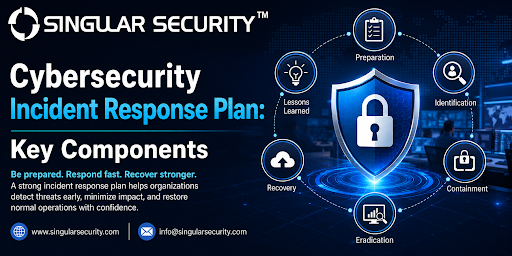
Incident response is the structured process of detecting, containing, and recovering from a breach. It includes clear roles, communication plans, and defined technical steps.
Q5. Can a small business survive a cyber attack?
Yes, with the right preparation in place. A tested response plan, reliable backups, and professional support dramatically improve survival odds.